
The Allure of Risk and Reward
The thrill of gambling is deeply rooted in the psychology of risk and reward. Casinos are designed to stimulate the senses, with bright lights, engaging sounds, and dynamic environments that draw players in. This sensory stimulation activates the brain’s reward system, making the prospect of winning feel exhilarating. When players place bets, they engage in a psychological dance with uncertainty, often leading to a rush of adrenaline that can be tremendously addictive. Many enthusiasts find that engaging with crypto casinos adds a new layer of excitement to their gambling experience.
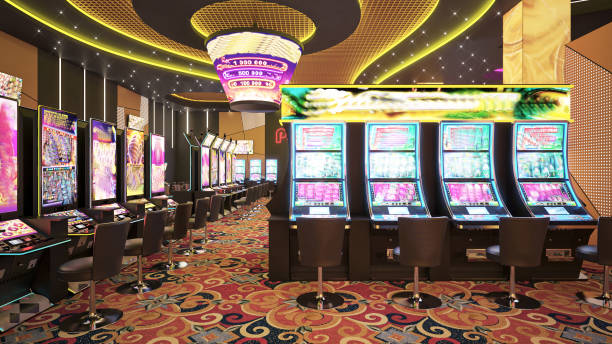
Furthermore, the concept of variable rewards plays a significant role in why people gamble. This means that the payout frequency is unpredictable, which can lead to a heightened sense of anticipation and excitement. Players may find themselves eagerly waiting for the next win, making each loss feel less significant than the thrill of the next bet.
The Social Aspect of Gambling
Gambling is not just about the thrill of winning money; it also serves as a social activity. Many individuals visit casinos as a means to socialize, forming bonds over shared experiences or friendly competition. The atmosphere of camaraderie can enhance the enjoyment of gambling, making it a pleasurable and rewarding experience beyond just financial gain.
The presence of others can also influence gambling behavior, as the social environment may encourage riskier bets or provide a sense of belonging. This interplay between individual choice and social dynamics can drive people to engage in gambling more frequently, seeking out the communal joy of shared victories and defeats.
Emotional Connections and Escapism
For some, casino gambling serves as an escape from everyday life. The immersive environment of casinos allows individuals to detach from their daily stresses, facilitating a mental getaway. This escape can provide temporary relief from personal or professional challenges, making the act of gambling a form of emotional catharsis.
Moreover, the emotional highs associated with gambling—such as the rush of a big win or the suspense of a close game—can create powerful memories that draw players back. The emotional rollercoaster that gambling provides can be intoxicating, reinforcing the desire to play as a coping mechanism for life’s uncertainties.
The Role of Cognitive Biases
Human psychology is riddled with cognitive biases that affect decision-making processes, particularly in gambling. The illusion of control, for instance, might lead players to believe they can influence outcomes based on personal skill or strategies, despite the randomness of games like slot machines. This belief can keep players engaged, as they feel empowered by their supposed ability to sway results.
Another cognitive bias is the gambler’s fallacy, where individuals perceive past events as influencing future outcomes in games of chance. This misconception can lead players to continue betting under the illusion that they are ‘due’ for a win, often leading to prolonged gambling sessions that can be detrimental to their finances and well-being.

Creating a Secure Gambling Environment
It is vital for gambling venues, especially online platforms, to cultivate a secure and responsible gambling environment. Providing users with advanced protection services not only ensures a trustworthy experience but also helps in mitigating the risks associated with gambling. Users should feel confident that their data and transactions are safe, enabling them to focus on enjoyment rather than security concerns.
When security measures are in place, players are encouraged to reach out for help if they encounter any access restrictions or issues. This proactive approach fosters a supportive atmosphere, emphasizing the importance of responsible gambling and ensuring that players can engage safely and securely.

Najnowsze komentarze